A history that spans generations and a fight that continues today
Asbestos is not just a past issue or a recent issue. It is a story that stretches across decades and continents and is unfortunately woven into the fabric of Louisiana’s industries, communities, and families.
“How did I get mesothelioma?” You do not have to work directly with asbestos to be at risk for developing mesothelioma. Even brief exposures from long ago increase the risk for developing mesothelioma.
From the far away mines where asbestos was extracted to the Louisiana workers who worked with or around asbestos, to the households of workers who unknowingly carried asbestos home on their work clothes, a legacy of death and disease has followed this deadly dust.
Even if you never worked with asbestos directly, you may still be at risk of developing asbestos-related diseases and specifically mesothelioma, a rare cancer caused by breathing even small amounts of asbestos.
For almost 100 years, companies have known how asbestos caused disease and death to those who breathed it and also how to prevent exposures from occurring. Because companies ignored these facts and chose to needlessly expose workers and their families, an epidemic of disease and death has followed.
Asbestos is the leading cause of occupationally-related deaths in the world. Over 200,000 deaths occur annually that are attributed to asbestos exposure, accounting for over 70% of all deaths from work-related cancers.
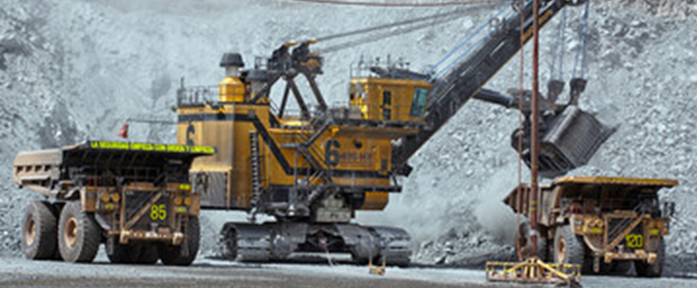
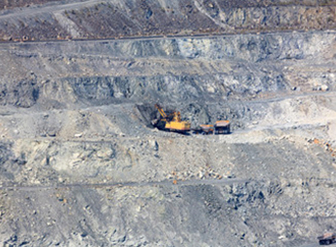
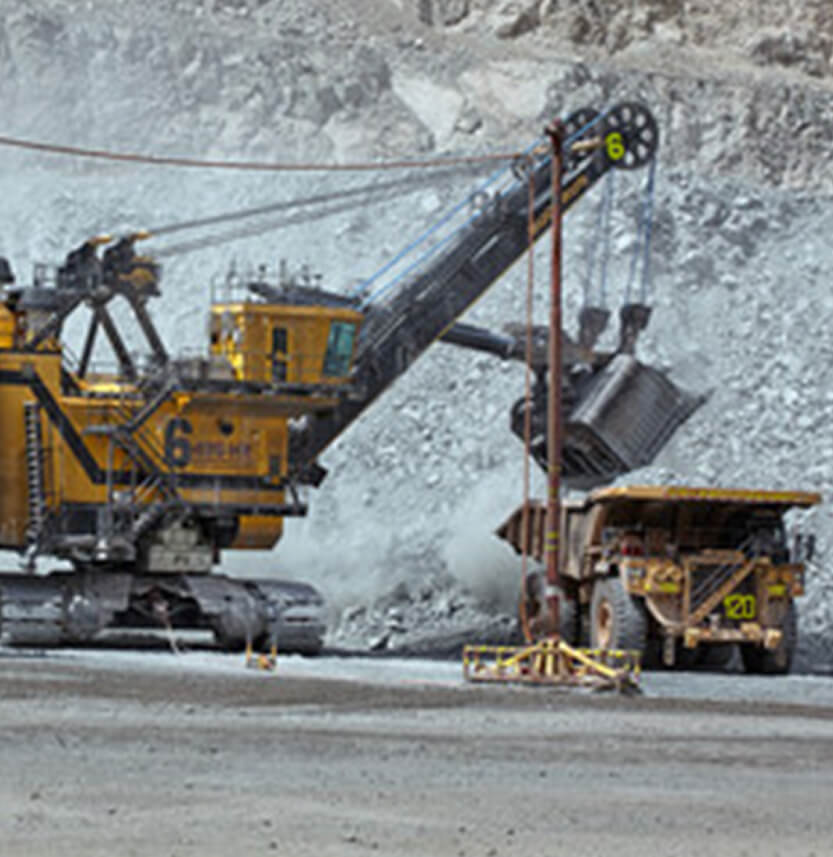
Asbestos is the generic name for a group of naturally occurring minerals that have been mined throughout the world including Canada, South Africa, and Australia. Although there were asbestos mines in other areas of the United States, there were none in Louisiana.
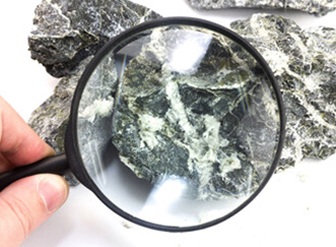
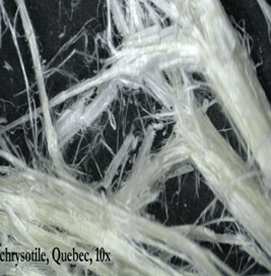
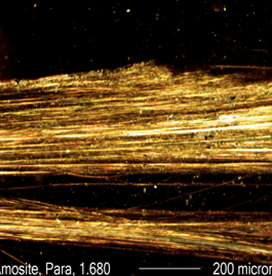
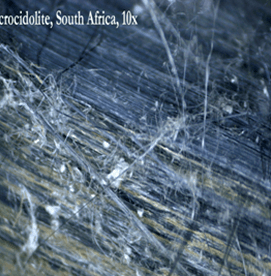
There are two families of asbestos fiber types, the serpentine and the amphibole. Chrysotile is the only serpentine asbestos fiber, and its fibers tend to be curly. Amphibole fiber types include crocidolite, amosite, and tremolite. Amphibole fibers tend to be needle-like or straighter.
Pictured on the left, chrysotile was the primary fiber used in the U.S. with well over 90% of commercial imports since 1940. Amosite (middle) and crocidolite (right) from the amphibole family were the other predominant fiber types used in the United States.
Asbestos has been used in a variety of products primarily as a cheap binder of other materials but also because of its unique properties, including heat and corrosion resistance. For many Louisiana workers, their exposures to asbestos occurred when working with or around asbestos-containing materials that were installed or removed during construction or maintenance jobs at plants along the Mississippi River.
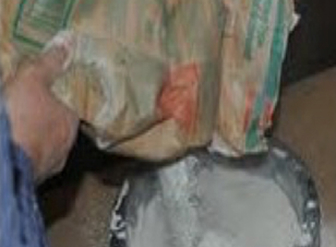
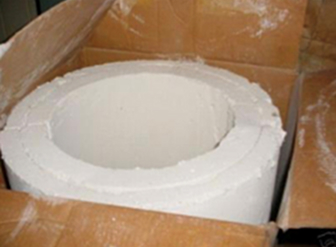
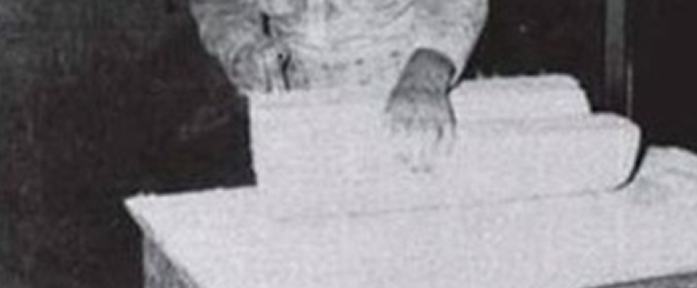
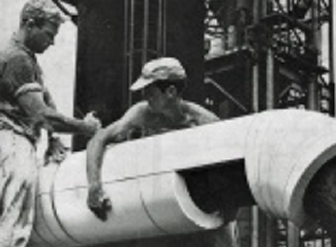
As you can see from these photos, products like pipe covering (right) and insulating cements (known as “mud”) were extremely dusty even before cutting, mixing, and installing them.
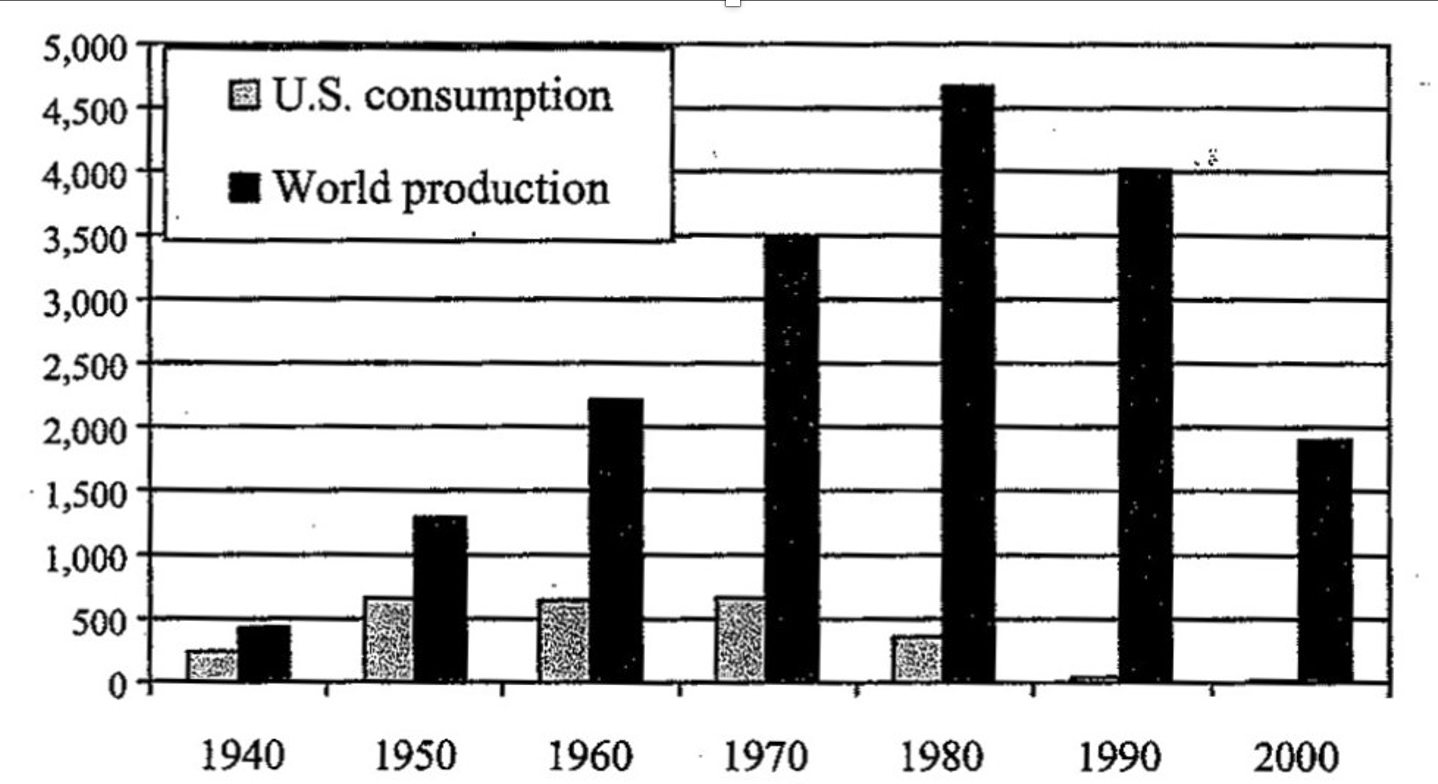
With the post-World War II construction boom in America, asbestos usage greatly increased in the 1950’s, 1960’s, and 1970’s particularly in industrial settings like refineries and chemical plants.
Louisiana plants used many different asbestos-containing materials. Probably most significant were the products that insulated the miles of pipes, equipment, tanks, vessels, and towers used in refineries and chemical plants.
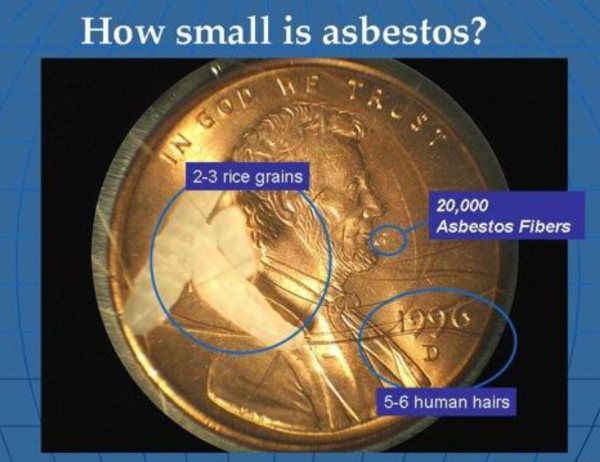
Once asbestos fibers are released into the air, they are virtually indestructible. These deadly fibers will remain in the environment unless they are removed and disposed of in such a manner that they cannot re-enter work and living areas. Because these microscopic fibers do not have any properties to alert an individual to their presence, extremely dangerous concentrations of asbestos can occur even when a person is unable to see dust in the air.
Although asbestos was removed from many insulation materials beginning in the early to mid 1970’s, other products continued to be used well into the 1980’s, including gaskets and packing that sealed pipes and valves to prevent leaks. Of course, the asbestos materials that were previously installed continued to cause exposures when they were later removed for repairs.
Health hazards from exposure to asbestos occur primarily from inhalation of asbestos dust, so airborne concentrations of asbestos dust are often used as an indication of exposure. Asbestos-related diseases can occur at virtually all levels of exposure. Higher exposures result in higher risks and lower exposures result in lower risks of developing disease.
The Occupational Safety and Health Administration’s (OSHA) current permissible asbestos exposure limit of 0.1 fibers/cc was chosen because it is the lowest level that can be reliably detected using phase contrast microscopy, not because it is a “safe” level. Humans are unable to see this extremely small amount of asbestos.
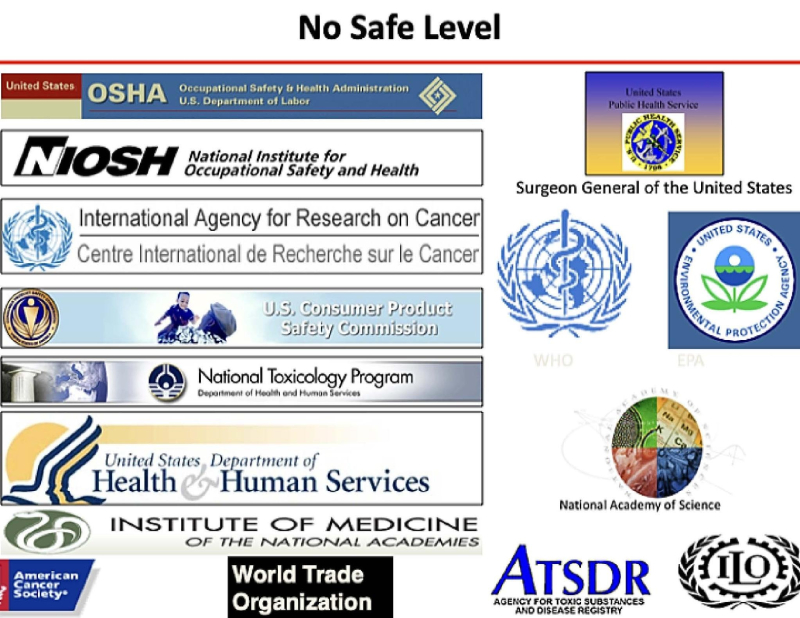
The regulatory exposure limits, including those adopted by OSHA, were never designed to prevent cancers but only to protect against most cases of the non-malignant disease asbestosis. Even at the current OSHA standard, the estimated risk of death is 3.4 deaths per 1,000 workers at an airborne concentration of 0.1 fibers/cc over a working lifetime. The World Health Organization (WHO), like every other world or U.S. health organization, has concluded “[T]he human evidence has not demonstrated that there is a threshold exposure level for lung cancer or mesothelioma, below which exposure to asbestos dust would not be free of hazard to health.” All commercial forms of asbestos are carcinogenic to humans. In other words, there is no “safe” level of asbestos exposure for any type of asbestos.
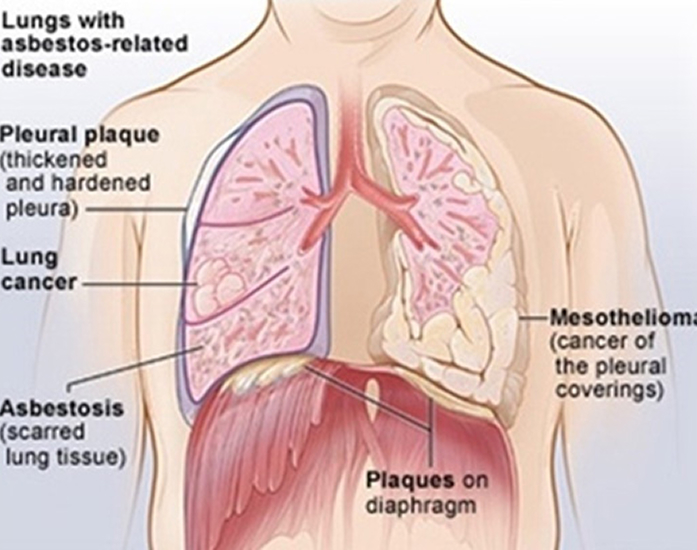
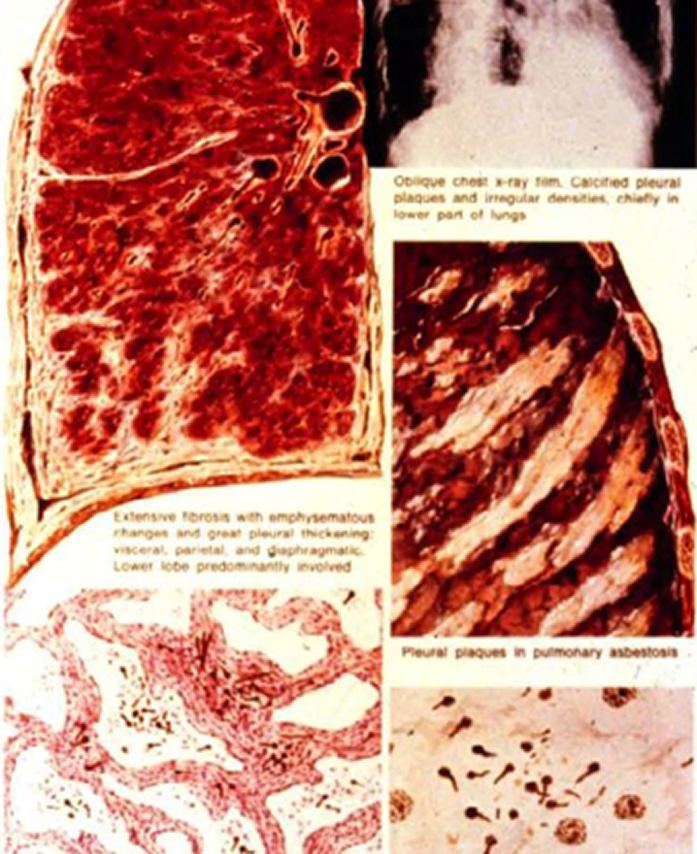
Asbestos exposure can cause non-malignant diseases as well as cancers. There are four major diseases caused by the inhalation of asbestos fibers: asbestosis (scarring inside the lung), pleural plaques (scarring on the lining that surrounds the lung), lung cancer, and mesothelioma. All of the asbestos fiber types cause each of these diseases. All asbestos diseases have long latency periods of usually 20 to 60 years from the initial exposure to asbestos. Latency means the delayed time between when a person is first exposed to the time when the disease occurs. The latency period is largely dependent on how much an individual has been exposed to asbestos and an individual’s genetic susceptibility to developing a disease. Latency periods are usually longer the less someone is exposed and shorter with heavier exposures. Asbestos diseases are dose-response diseases, meaning the more someone is exposed to asbestos, the more likely asbestos disease occurs.
Asbestosis
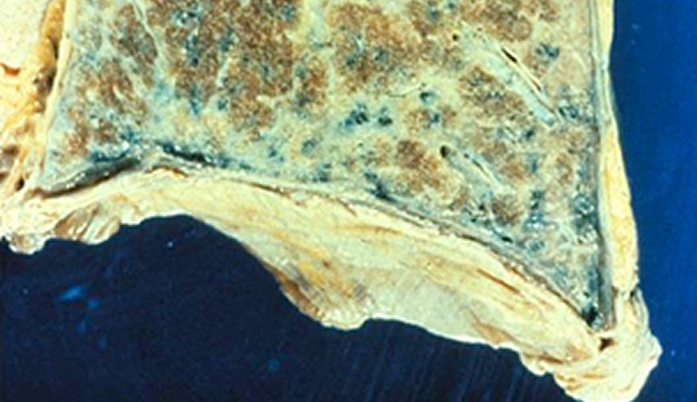
Asbestosis is the formation of scar tissue in the lungs caused by breathing asbestos. When asbestos is inhaled, some of the fibers are deposited throughout the respiratory tract, including the gas exchanging regions of the lungs. Although the human body has defense mechanisms that expel many of these fibers, the asbestos fibers that are inhaled and deposited in the lungs can cause scarring inside the lungs, or asbestosis. Like all of the asbestos-induced diseases, asbestosis is dose dependent. A person typically needs long-term occupational exposures to develop asbestosis. Although the scarring process from breathing asbestos begins as soon as inhaled fibers are deposited in the lungs causing microscopic asbestosis, it typically takes many years of exposures and a long latency period of decades before any clinical signs or symptoms occur such as shortness of breath (which is caused by scar tissue formation that restricts the individual from taking a deep breath).
Pleural plaques
Pleural plaques are the formation of scar tissue on the lining that surrounds the lungs. The scar tissue forms in the identical manner to that of asbestosis and is located in the sub-mesothelial connective tissue layer of the pleural. Unlike asbestosis, which can cause symptoms such as shortness of breath, pleural plaques usually do not cause any impairment in lung function.
Lung cancer
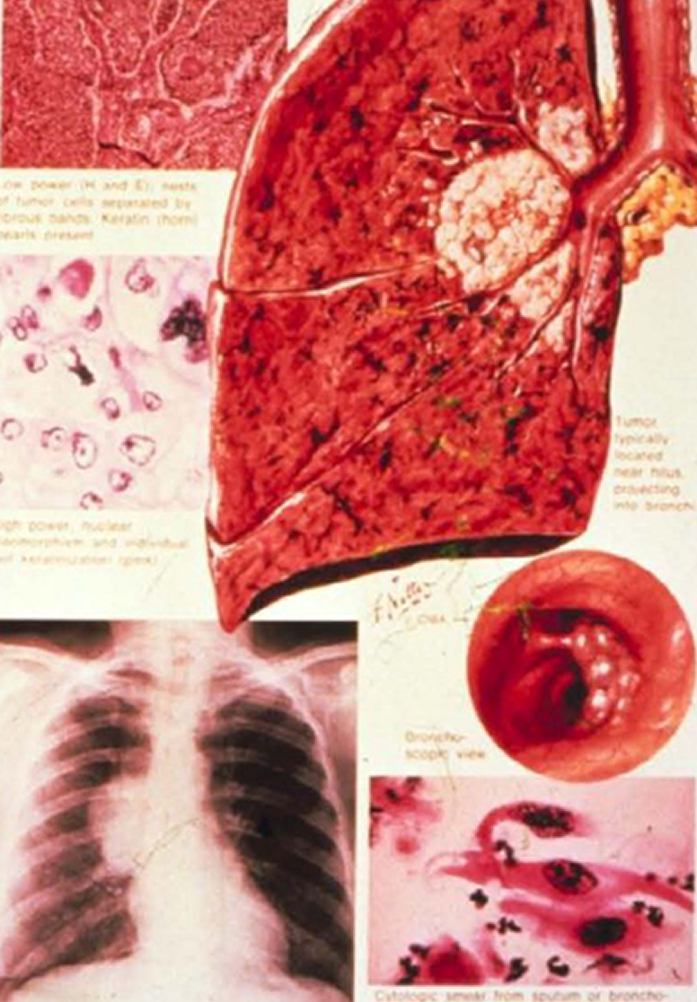
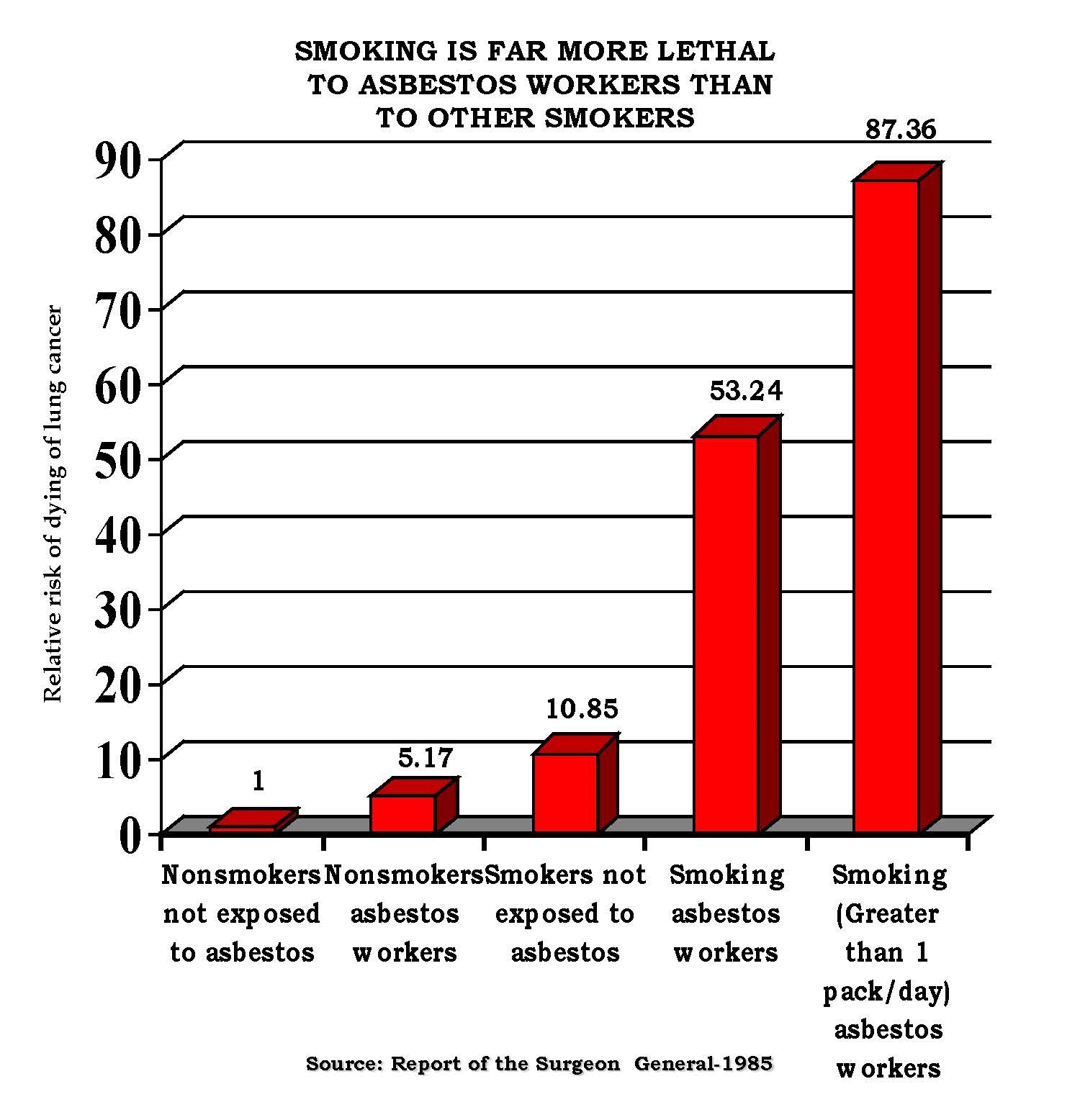
Lung cancer is a malignant tumor typically found in a conducting airway of the lung. Although asbestos-exposed non-smokers show an increased risk of developing lung cancer, lung tumors typically arise in workers who were exposed to asbestos and smoked cigarettes. When these tumors are caused by asbestos, they typically arise in individuals who are cigarette smokers, although asbestos-exposed non-smokers show an increased risk of developing lung cancer too. When an individual is exposed to the cancer-causing agents (carcinogens) of both cigarettes and asbestos, the risk of getting lung cancer is increased well beyond the risk presented by exposure to either agent alone or by simply adding the risks of the two carcinogens.
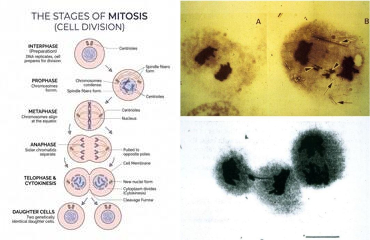
Cancer is the loss of control of cell growth. Cancer is caused when the specific genes that control cell division develop errors. Carcinogens induce such errors, and “complete carcinogens” are substances that can produce errors even when no other agents are present.
Our bodies are constantly experiencing cellular changes. Every cell in our body is under strict genetic control for the replacement of cells through cellular division that leads to cellular replication.
Cancer is caused when the specific genes that control cell division and other aspects of the cell cycle develop errors. Carcinogens like asbestos induce these errors in the normal cell division and replication process. In people who are susceptible to developing cancer, once a sufficient number of genetic errors occur, cellular division loses its normal growth pattern and grows into a malignancy (uncontrolled cell growth).
Individuals can have non-malignancies and malignancies caused by asbestos separately or in combination with the other diseases. Asbestosis and lung cancer can be found in the same lung, and individuals with an asbestos exposure sufficient to induce asbestosis are more likely to develop lung cancer. However, in an individual with an established occupational asbestos exposure, it is not necessary to have asbestosis to have an increased risk of developing lung cancer. Asbestosis and lung cancer are two separate diseases, and a series of epidemiologic studies has shown that the presence of clinical signs and/or symptoms of asbestosis are not required to attribute lung cancer to asbestos when an occupational or otherwise heavy exposure has been established.
Mesothelioma
Mesothelioma is an aggressive and incurable cancer caused by asbestos exposure. Asbestos exposure is the only known cause of mesothelioma in the American workplace. All of the asbestos fiber types cause the genetic errors necessary to result in mesothelioma. There is no dispute that asbestos causes mesothelioma, and that the great majority of mesotheliomas are caused by asbestos. Mesothelioma is known as a “sentinel tumor” because of its almost exclusive association with exposure to asbestos. Cigarette smoking has no influence on the development of mesothelioma.
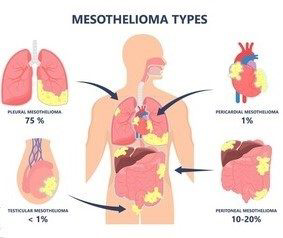
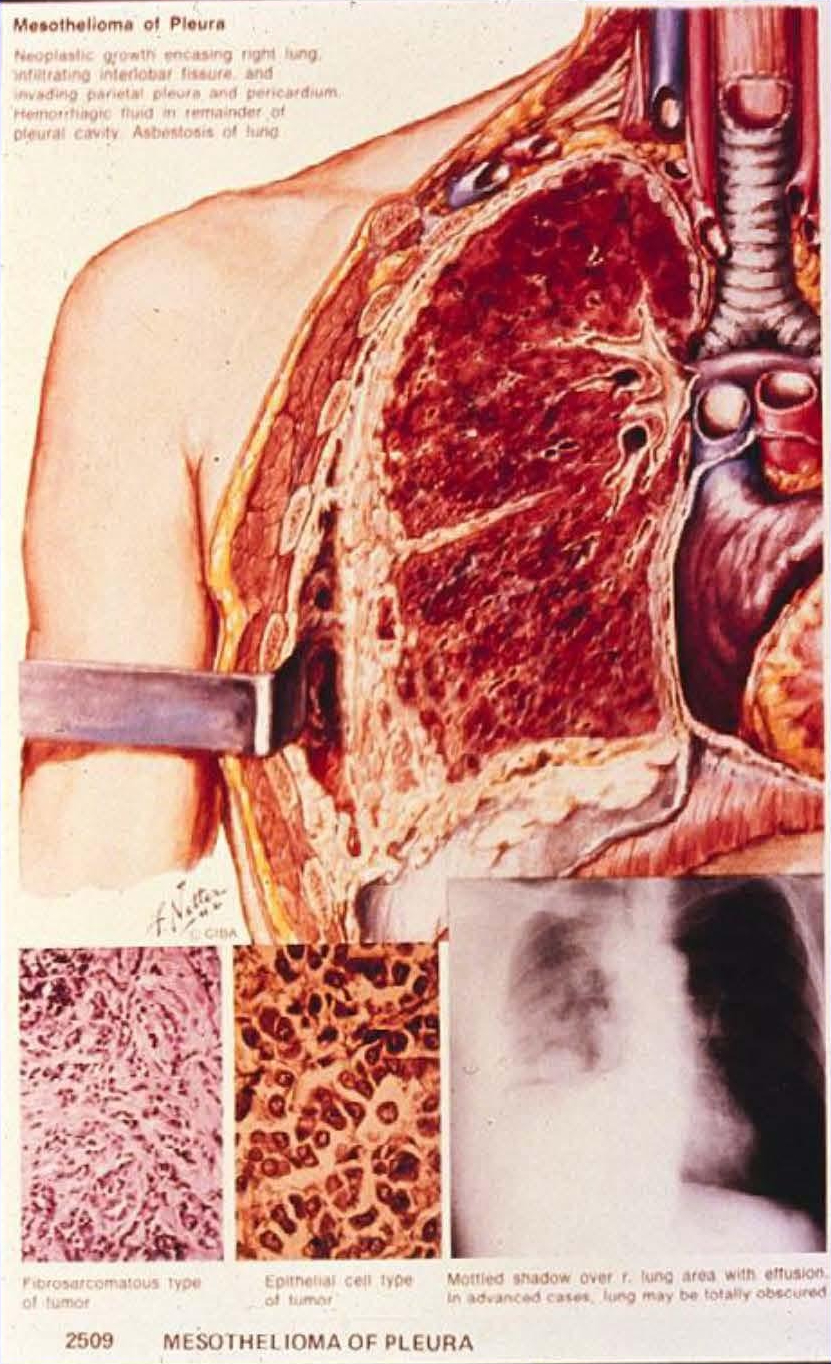
Mesothelioma results from the transformation and uncontrolled growth of cells in the mesothelial lining of the lungs, abdomen or heart. Mesothelioma originates from surface cells of the pleura (lining of lungs), peritoneum (lining of abdomen), or pericardium (lining of heart). This cancer occurs when a mesothelial cell develops a sufficient number of genetic errors in a set of genes that control cell growth.
There are three main cell types in mesothelioma tumors-epithelioid, sarcomatoid, and a combination of these two called biphasic. Epithelioid mesothelioma is the most common cell type, accounting for approximately 70% of mesothelioma cases. It is also usually more treatable than the others. Patients who receive treatment for epithelioid mesothelioma typically have longer life expectancies on average than the other two cell types.
Sarcomatoid mesothelioma is the least common cell type, with about 10% of mesothelioma cases. Sarcomatoid is more aggressive and is associated with shorter life expectancies than the others. However, recent advancements in treatments may help reduce its treatment-resistant reputation.
Biphasic mesothelioma accounts for around 20% of mesothelioma patients. As a combination of the two cell types, its prognosis falls between those of epithelioid and sarcomatoid patients.
Like other human cancers, malignant mesothelioma most likely develops via a multi-step process, and not through the malignant transformation of a mesothelial cell occurring soon after initial asbestos exposure. When a sufficient number of genetic errors have accumulated in a single mesothelial cell, this cell can undergo transformation and grow into a deadly tumor like mesothelioma. It typically takes many decades for a sufficient number of cellular mutations to occur in a single mesothelial cell because of the numerous effective defense mechanisms that destroy genetically defective cells, thus explaining the long latency of mesothelioma.
The latency period for mesothelioma can range from 10 to 80 years. During this time, some cells with genetic damage caused by asbestos will replicate and this process will continue through future cellular generations. Over time, future generations of cells carrying this original genetic error may accumulate additional genetic errors from asbestos fibers. When a single cell accumulates enough errors, it begins to divide uncontrollably and the cancer mesothelioma results.
Asbestos-related diseases such as mesothelioma are “dose-response” diseases, which means that the more asbestos a person is exposed to, the more likely that person is to develop an asbestos disease. In the case of a person who has developed an asbestos-related disease such as mesothelioma, it is that individual’s cumulative dose which caused the disease. As asbestos exposures occur over time, some proportion of those fibers are retained in the lungs and can be transported to the various sites where the diseases develop, and the genetic errors caused by asbestos fibers accumulate.
All of the asbestos fiber types cause all of the asbestos-induced diseases. This has been the conclusion of every governmental agency in the world that has considered the question, including the World Health Organization (“WHO”), the International Agency for Research on Cancer (“IARC”), the United States Department of Health and Human Services, the National Institutes of Health, the Environmental Protection Agency (“EPA”), the Occupational Safety and Health Administration (“OSHA”), the National Institute for Occupational Safety and Health (“NIOSH”), the World Trade Organization, and others. This viewpoint represents the overwhelming consensus in the scientific community.
Asbestos is the only known occupational cause of mesothelioma in the United States. The consensus scientific opinion, as reflected by the conclusions of the IARC, WHO, NIOSH, Consumer Products Safety Commission, and others, is that no amount of exposure to asbestos above the background levels present in a normal environment has been established as too low to induce mesothelioma. The mainstream scientific community is not only in consensus that there is no safe level of exposure to asbestos, but also that all fiber types including chrysotile cause mesothelioma.
From a “magic mineral” to a global health disaster, this is a brief overview of what was known about the dangers of asbestos and how these facts were ignored by many companies.
Ancient uses of asbestos date back thousands of years when it was incorporated into pottery and used as lamp wicks and cloth to name only a few. The potential health hazards were also raised long ago. Although it is unclear what specific “diseases of slaves” he referred to, Pliny, the ancient Roman historian, noted the use of bladder skins as a respirator to avoid inhalation of dusts by the slaves.
Asbestos, with its resistance to heat and chemicals, began to have widespread use in insulation and many other industrial applications during The Industrial Revolution in the late 1800’s and early 1900’s. Factory inspectors in England in the late 1890’s began noting that workers in asbestos textile mills were dying of respiratory failure at an alarming rate. Within a short period of time, doctors began reporting lung diseases with clinical descriptions of asbestosis becoming more common in the medical literature in the first decades of the twentieth century.
The first recorded case of severe lung scarring from asbestos was reported in London in 1907 in a 33 year-old man who had worked in an asbestos textile plant for 14 years. Numerous deaths from serious pulmonary diseases were also reported in France and Italy among similar types of workers in those countries. These reports were the first indications of the progressive nature of asbestos-induced lung disease, which was later confirmed by epidemiological studies of asbestos workers in the 1930’s.
In 1924, the first case of “asbestosis” was published in the medical literature. The death of Nellie Kershaw, a 33 year-old textile worker, unfortunately is a story similar to the thousands of asbestos-related deaths that followed and continue even today. Nellie Kershaw began as an asbestos factory worker at age 13. In 1922, Mrs. Kershaw consulted her physician who concluded she suffered from “asbestos poisoning.” Although she was in failing health, she continued working intermittently. Despite Nellie’s pleas to her employer for financial help since was dying from her work-related lung disease, her employer paid her nothing. She died penniless on March 15, 1924, and was buried in an unmarked grave.
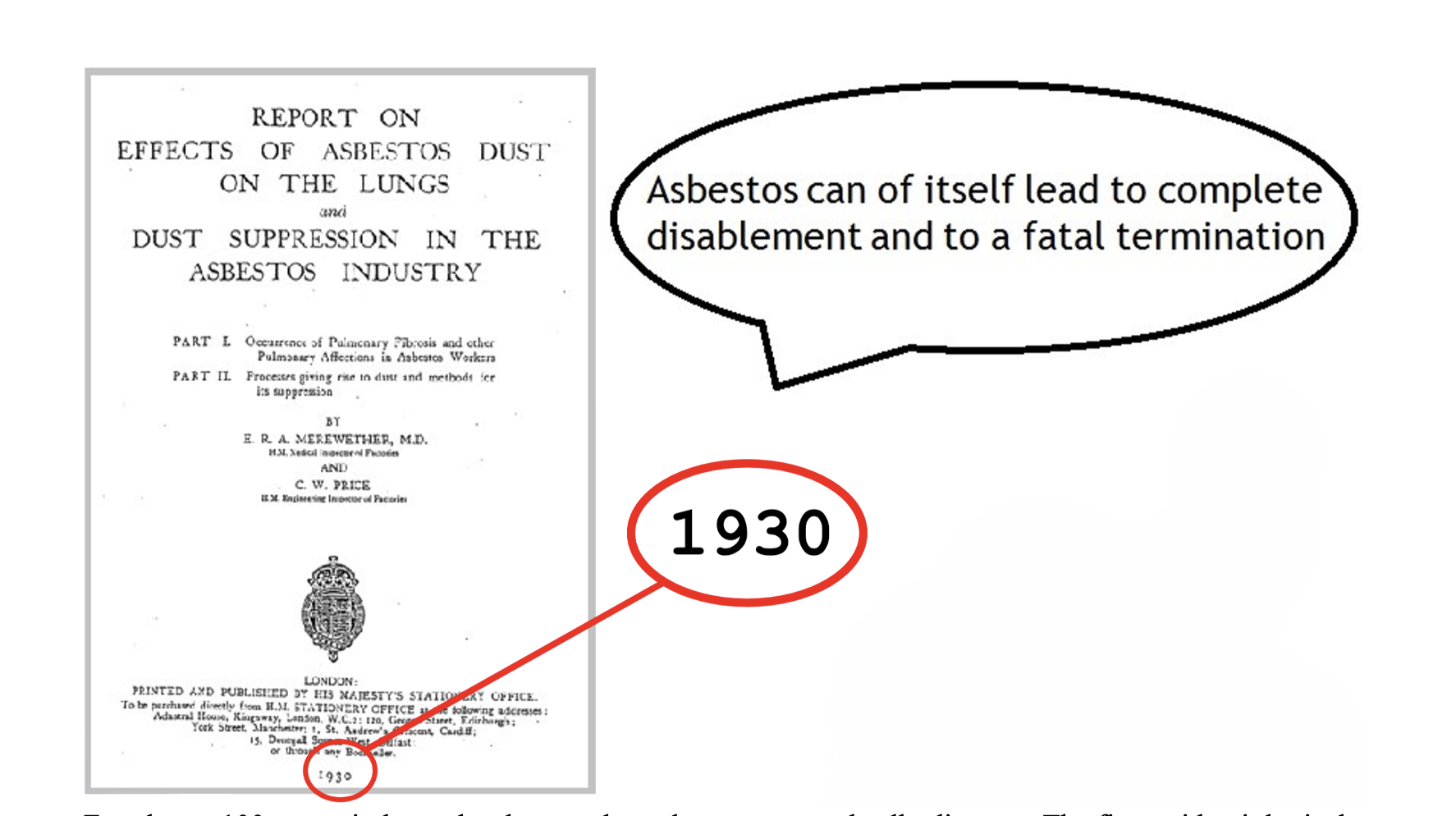
Although case reports of workers developing asbestosis occurred for years prior to its publication in 1930, the first epidemiological study of persons exposed to asbestos demonstrated the causal relationship between asbestos exposure and asbestosis. This study by E.R. Merewether and C.W. Price (known as the “Mereweather Report”) also showed that asbestosis was a preventable disease.
The Merewether Report, published on March 30, 1930, is of monumental importance in the history of knowledge of asbestos disease, both for how asbestos causes disease and how to prevent those diseases from occurring. Although the group of workers studied were asbestos textile workers, the authors of this report made it clear that their findings were applicable to other work environments as well as other asbestos-containing materials including insulation.
The Merewether Report outlined the basic concepts of how asbestos causes lung disease including latency and dose-response. By examining the dust levels and the length of time exposed, Mereweather demonstrated that lessening exposure levels and the length of exposures likewise reduced the incidence of disease. The disease of asbestosis, like other asbestos-related diseases, requires a latency period for it to become evident in an exposed worker. The higher the exposure levels and/or length of time of exposures, the shorter the latency period. The authors also discussed concepts such as fiber drift, where asbestos fibers travel distances from the original source to cause disease away from that source.
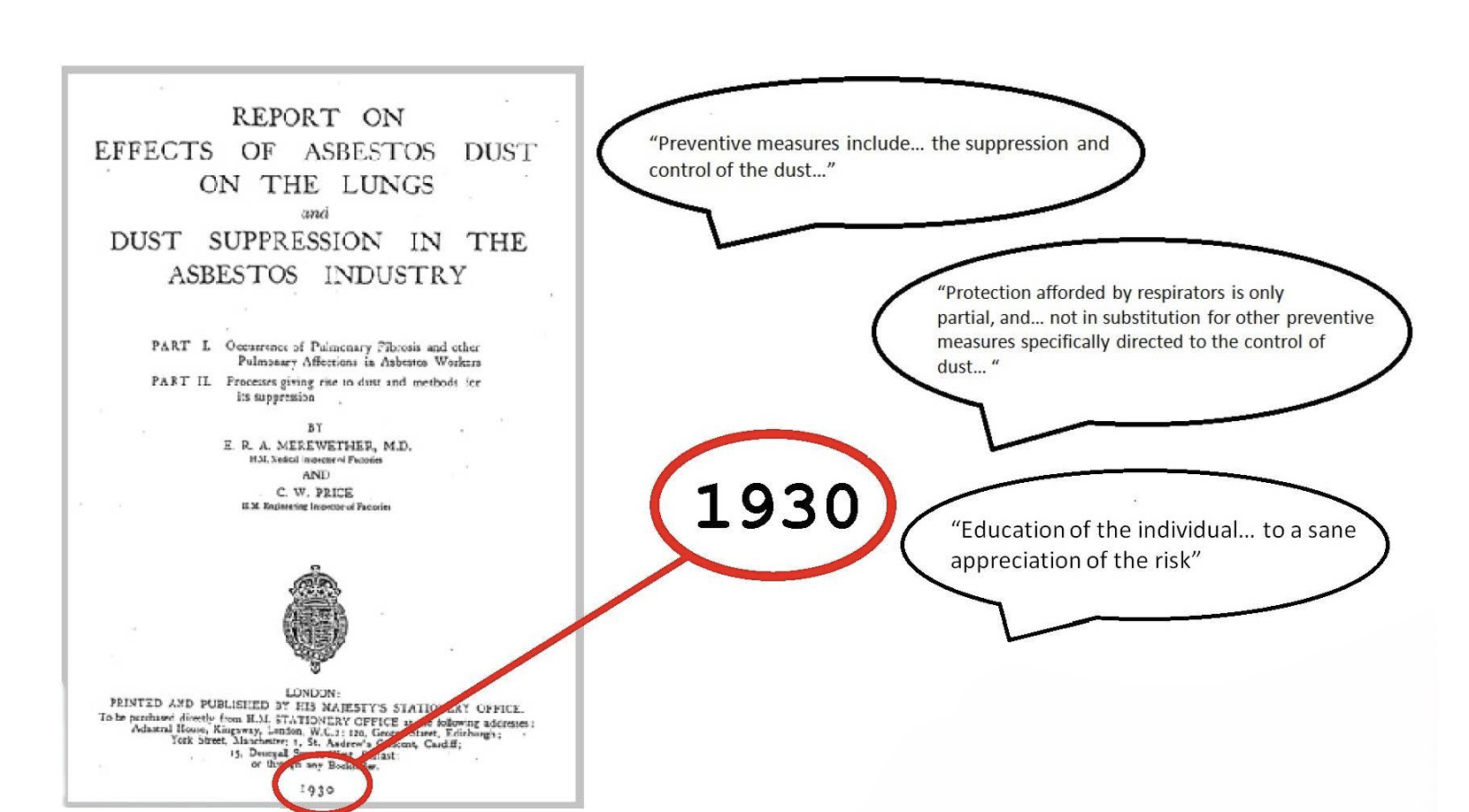
Because of the dose/response nature of asbestosis, this study outlined a hierarchy of preventative measures to eliminate or reduce exposures in order to lessen the risk of disease developing. These methods included substituting a less harmful material for asbestos, the elimination of dust-producing tools and equipment, utilizing ventilation and enclosures to prevent dust from spreading to other areas, using wet methods where possible to keep dust levels lower, separating the dust-generating processes from other areas to keep dust away from workers who were not handling asbestos, using vacuums instead of dry sweeping when cleaning, and warning and educating workers not only to the hazards but also the safety methods that would lessen their exposures. And finally, as a last resort, using respirators that supplied fresh air. The authors warned that the discomfort and difficulties of wearing respirators while working made it impractical to use respirators as a long-term solution rather than substitution and engineering controls, especially since most respiratory devices did not remove all of the dust anyway. Their conclusion was that the best preventative measure was to suppress dust at its origin so that workers were not needlessly exposed.

The Mereweather Report was subsequently published in the leading medical and scientific journals in America, as well as in industrial safety magazines that many American companies subscribed to.
Additional reports and studies continued to be published throughout the 1930’s, 1940’s, 1950’s, and 1960’s regarding the incidence of asbestosis in maintenance and construction workers, such as insulators, boilermakers, pipefitters, and other tradesmen, and in a variety of workplaces, including manufacturing plants and shipyards.
Within a few years of the publication of the Merewether Report, many states, including Louisiana, adopted regulations concerning asbestos, as did the federal government via the Walsh-Healy Act. But lacking any right to enter businesses and without enforcement powers, these regulations did little, if anything, to promote workplace safety regarding asbestos until the passage of OSHA’s comprehensive regulations in 1972. Furthermore, all of these regulations, including OSHA, were designed to lessen the incidence of asbestosis but not to prevent cancers caused by asbestos. In 1952, following in the footsteps of many other states, Louisiana’s legislature passed a workers compensation statute that made asbestosis a compensable workplace injury.
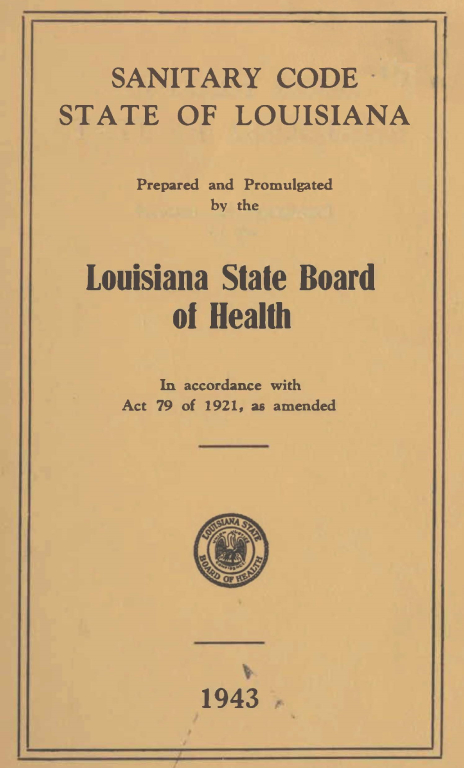
Not long after the health hazards of asbestos became known, federal and state laws were passed to help protect workers from developing asbestosis, including Louisiana in 1943.
Lung cancer
The recognition that asbestos exposure was a cancer hazard occurred shortly after the disease asbestosis was recognized. In 1935, the first case report of asbestosis and lung cancer was published in the American literature. Throughout the 1930’s, reports were published in England, the United States, and other countries which indicated that workers whose occupations exposed them to asbestos were also developing lung cancers including “end product users” of asbestos-containing insulation materials.
By 1942, the association between occupational exposures to asbestos in causing lung cancer was discussed in an exhaustive treatise about occupational cancers. In 1943, the German government declared that asbestosis in combination with lung cancer was a compensable occupational disease in their workers’ compensation laws.
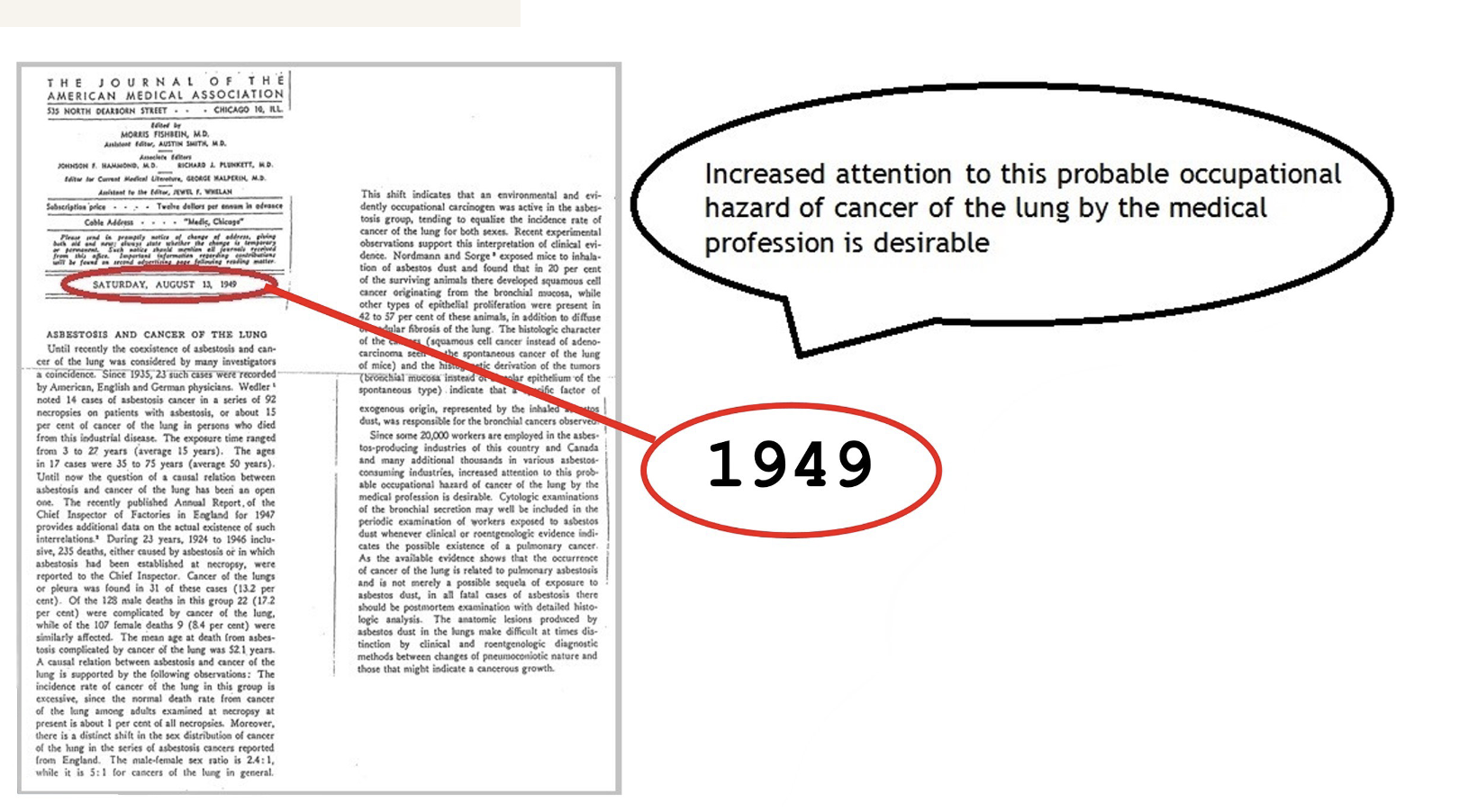
Editorials and articles in the most widely read physicians magazine in the United States, the Journal of the American Medical Association (JAMA), repeatedly appeared throughout the 1940’s linking asbestos as an industrial carcinogen, including a 1949 editorial that cited the latest epidemiological evidence from England as proof that asbestos was a “probable” cancer risk for not only workers in manufacturing plants but also for workers in the numerous industries that used asbestos-containing materials.
Any doubt that asbestos caused lung cancer was laid to rest in 1955 when Sir Richard Dodd published an epidemiological study on asbestos textile workers clearly demonstrating an excess lung cancer risk. Large numbers of medical and scientific papers showing lung cancer risks in many different workers appeared repeatedly in the years and decades that followed, including those from Dr. Irving Selikoff discussed below.
Mesothelioma
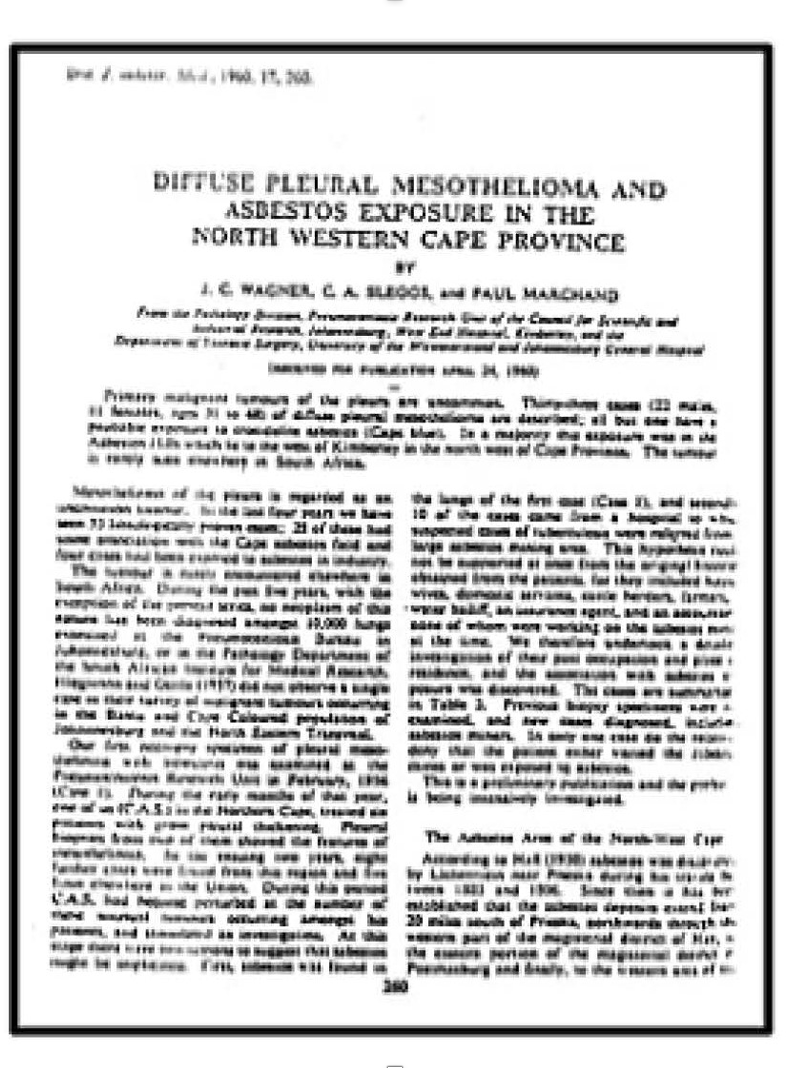
Although cases of mesothelioma and its association with asbestos were reported in the 1940’s and 1950’s, the causal relationship between the two was firmly established in 1960 in the seminal paper by South African scientist Christopher Wagner. Many of the cases reported in the Wagner study demonstrated that brief and low dose exposures to asbestos caused this rare and deadly cancer. Wagner described patients who developed mesothelioma with no exposures other than living as a child in the vicinity of asbestos mines.
Perhaps the most significant papers showing the dangerous health effects caused by asbestos were from the doctor whose efforts brought these dangers to the forefront of the American public – Dr. Irving Selikoff. Dr. Selikoff and his colleagues at Mount Sinai Medical Center in New York began to investigate asbestos diseases in the 1950’s focusing on insulators in the Asbestos Workers Union.
In 1964, Dr. Selikoff and his colleagues published their findings of insulators dying from lung cancer and mesothelioma at alarming rates. Dr. Selikoff cautioned that the clear risks from intermittently breathing asbestos were not confined to insulators since the dust from applying and removing insulation that contained asbestos was breathed by other workers noting:
“A particular variety of environmental exposure may be of even greater concern. Asbestos exposure in industry will not be limited to the particular craft that uses the material. The floating fibers do not respect job classifications. Thus, for example, insulation workers undoubtedly share their exposure with their workmates in other trades; intimate contact with asbestos is possible for electricians, plumbers, sheet-metal workers, steamfitters, laborers, carpenters, boiler makers, and foremen; perhaps even the supervisory architect should be included.”
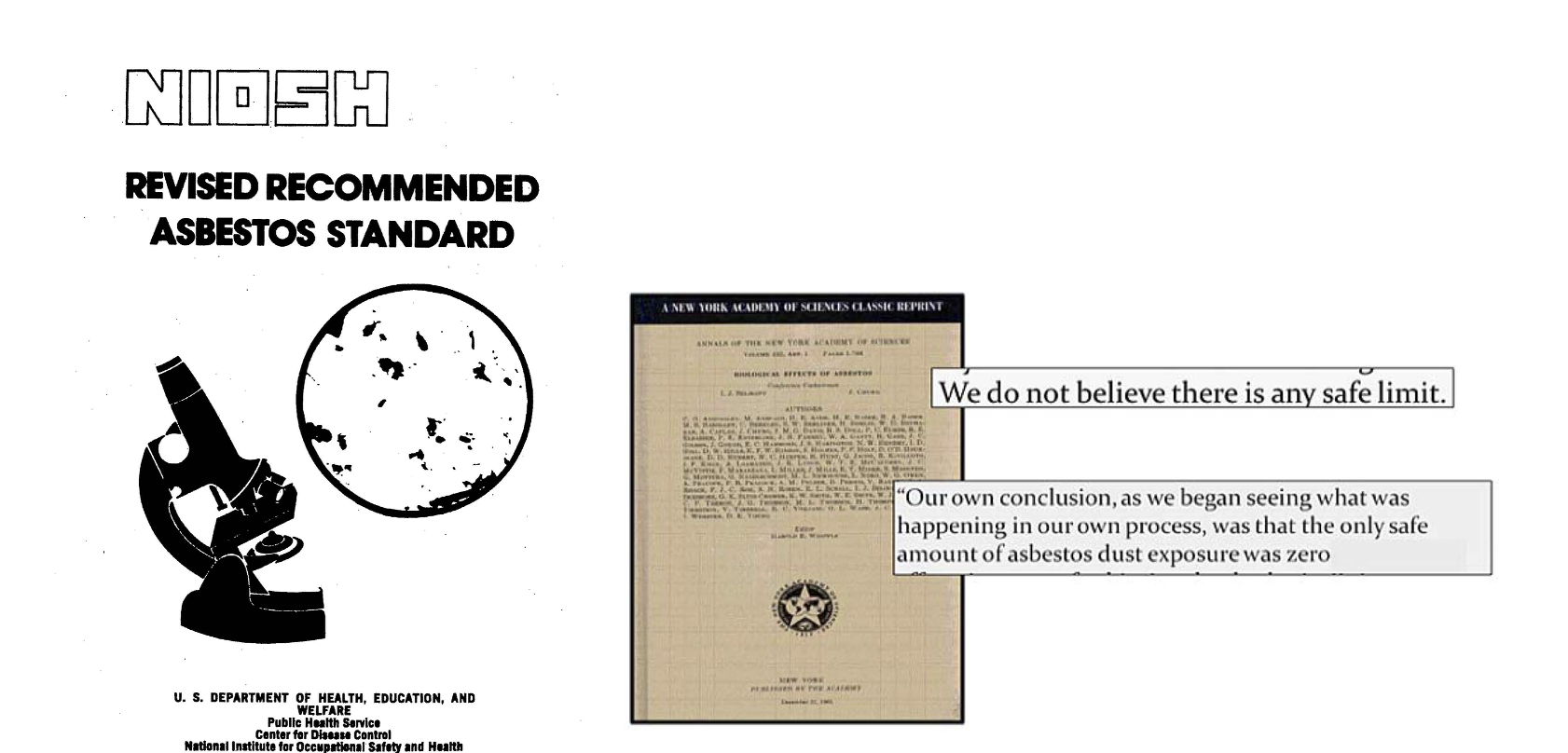
Later in 1964, Dr. Selikoff hosted a worldwide conference on asbestos in New York where dozens of scientists from around the world presented their findings on asbestos with many industry representatives in attendance. As industry spokespersons stated then:
“Our own conclusion, as we began seeing what was happening was that the only safe amount of asbestos dust exposure was zero and that the efforts in terms of achieving that lay basically in engineering, and, secondly, in education. But as far as safe level of asbestos dust is concerned, our own conclusion is that there is no safe level. The safe level is nil and anything above the safe level represents certain risks.” Those words remain true today.
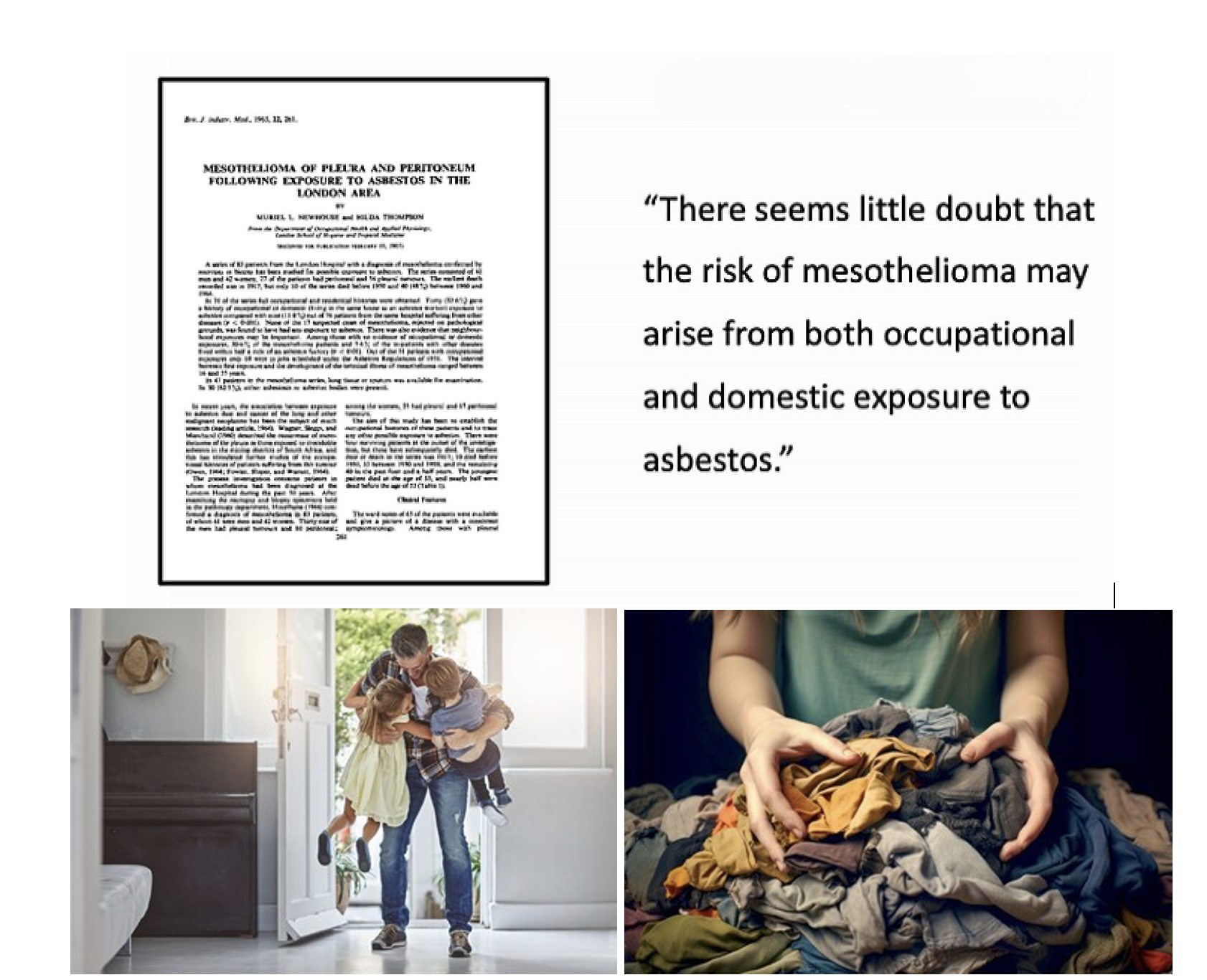
In 1965, British scientists (who first presented their findings at the 1964 Selikoff conference) published an epidemiological study showing mesothelioma caused by neighborhood exposures from asbestos manufacturing plants, as well as wives and children who were exposed from the contaminated clothing of workers who brought asbestos into the home from their jobs. The authors concluded, “There seems little doubt of the risk of both occupational and domestic exposure of asbestos.”
Asbestos has caused significant disease and death across industrialized nations for over 100 years now. Because of its latency period, past exposures will continue this tragedy for years to come even in countries where it has been banned. Unfortunately, asbestos continues to be used in many countries which creates health risks for people in those countries for decades into the future.


Because asbestos was useful as a binder in many products as well as having properties such as fire and corrosion resistance, its commercial usage increased in the United States during World War II and the subsequent construction boom that followed. Not until OSHA’s comprehensive regulations on asbestos became law in the 1970’s did asbestos usage began to decrease.
Because of the latency period for asbestos diseases, which develop decades after the initial exposures, diseases and deaths increased even after most asbestos-containing products ceased to be manufactured. Unfortunately, asbestos-containing products continued to be removed from workplaces without proper precautions well into the 1980’s and 1990’s, thereby exposing workers and their families years later. That means that deaths, primarily from mesothelioma and lung cancer, will continue into the foreseeable future.
Since most people have not directly handled asbestos products themselves, they may not know how they may have been exposed or all of the details of prior exposures. As you will see, you do not have to work directly with asbestos to be at risk for developing asbestos related diseases including mesothelioma. Indirect exposures, even brief ones from long ago to this dangerous dust poses risks for developing mesothelioma.
From the far away mines where asbestos was extracted to the Louisiana workers who worked with or around asbestos, to the households of workers who unknowingly carried asbestos home on their work clothes, a legacy of death and disease has followed this deadly dust.
Even if you never worked with asbestos directly, you may still be at risk of developing asbestos-related diseases and specifically mesothelioma, a rare cancer caused by even small amounts of breathing asbestos.
We hope this brief summary helps with understanding how asbestos causes diseases and why asbestos diseases were preventable all along since preventative measures were ignored by companies the entire time asbestos was used by them.
As you will see, wherever exposures occurred, safety measures should have been implemented that would have eliminated or significantly reduced the chances of someone developing an asbestos-related disease including mesothelioma. For almost 100 years, companies have known how asbestos caused disease and death to anyone who breathed it and how to prevent these exposures from occurring. Because companies ignored these facts about asbestos and chose to needlessly expose their workers and families, an epidemic of disease and death has followed.
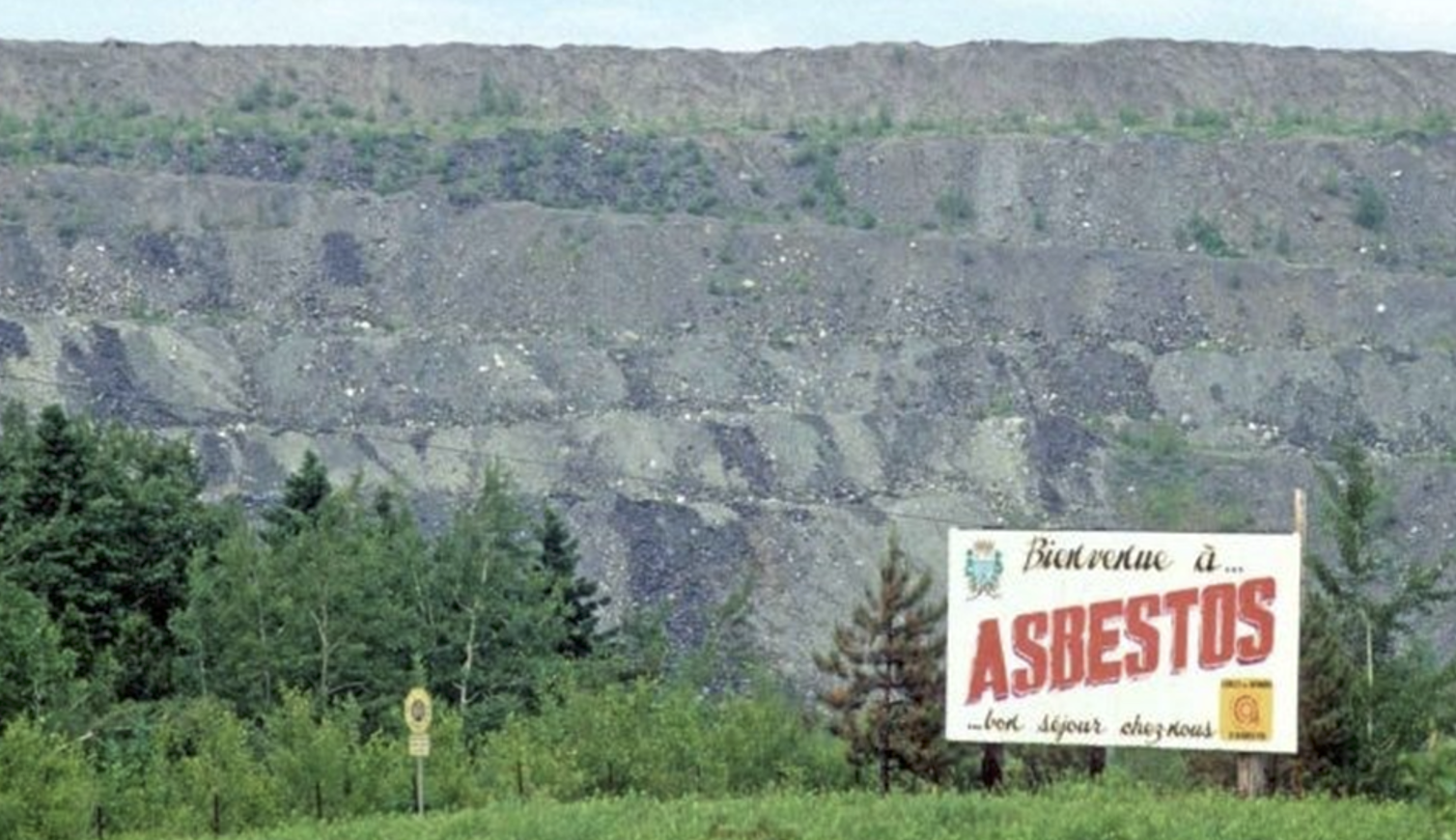
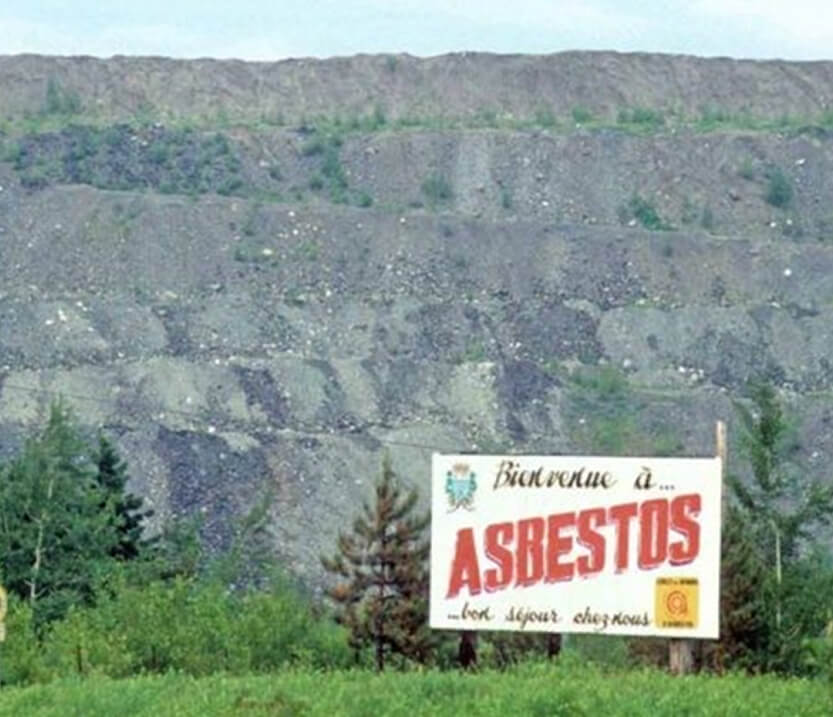
Once hidden from the public, the dangers of asbestos are well known now. Today our TVs are flooded with commercials by out-of-state advertising lawyers for mesothelioma cases. Formerly known as Asbestos, this town in Canada grew around the Jeffrey Mine (also known as the Johns Manville mine), one of the world’s largest sources of asbestos. Due to its negative connotations, the town was recently renamed Val-des-Sources.
Asbestos is the generic name for a group of naturally occurring minerals that have been mined throughout the world including in Canada, South Africa, Australia, and the United States, but none in Louisiana.
There are two families of asbestos fiber types, the serpentine and the amphibole. Chrysotile is the only serpentine asbestos fiber, and its fibers tend to be curly. Amphibole fiber types include crocidolite, amosite, and tremolite, and these fibers tend to be needle-like or straighter.
Pictured on the left, chrysotile was the primary fiber used in the U.S. with well over 90% of commercial imports since 1940. Amosite (middle) and crocidolite (right) from the amphibole family were the other predominant fiber types commercially used in the United States.
We haven’t just studied the history of asbestos litigation. We’ve helped shape it. Explore the decades of research, regulation, and courtroom battles that brought the truth to light.
If you have suffered from an asbestos-related disease such as mesothelioma, lung cancer or asbestosis, the attorneys at Waddell Anderman and Burleigh, LLC are here to stand up for your rights. With more than 50 years of experience handling asbestos lawsuits, we are prepared to help you pursue full and fair compensation for the losses you have suffered. We represent clients from Baton Rouge, New Orleans, throughout Louisiana and nationwide.
Waddell Anderman and Burleigh, LLC
4460 Bluebonnet Blvd Suite B,
Baton Rouge, LA 70809